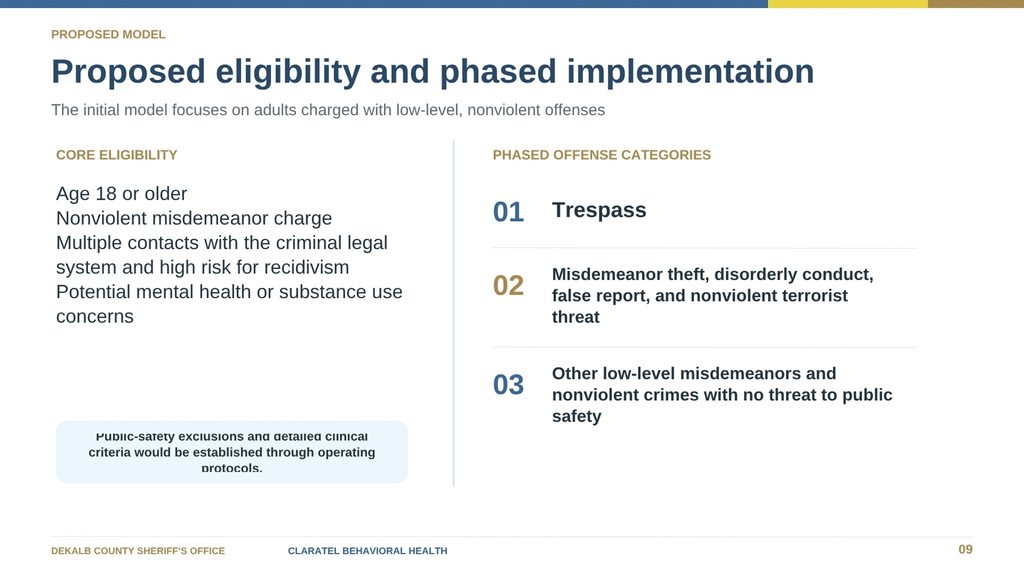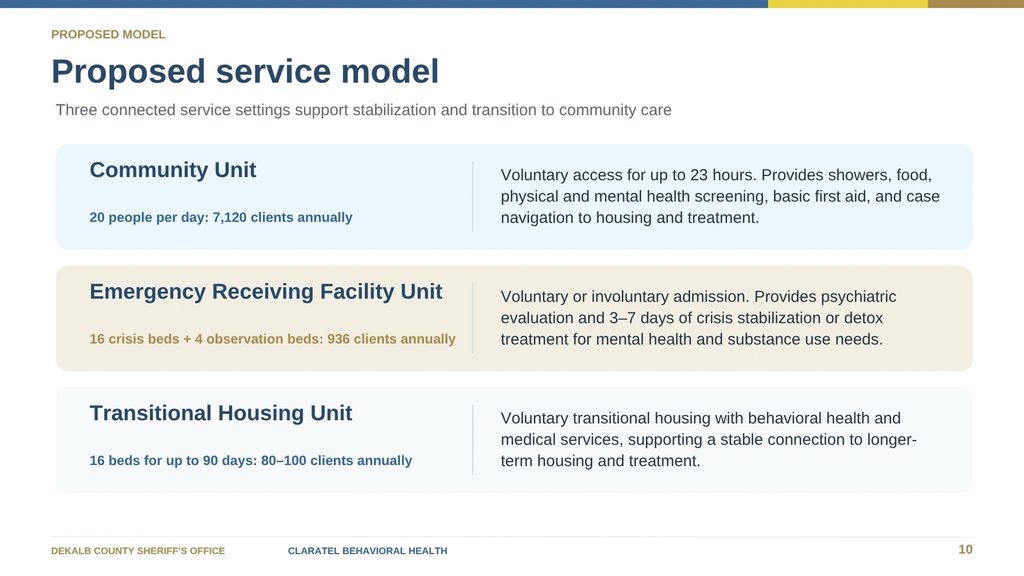
DEKALB COUNTY – October 27, 2026. Following months of debate dating back to its initial introduction to the Board of Commissioners Board Meeting on March 17, 2026, Agenda Item 2026-0550: “To Adopt an Ordinance to Amend the Code of DeKalb County to Address Public Safety, Drifting, Unauthorized Camping and Certain Public Nuisance Behaviors” was officially passed during the Board of Commissioners Meeting on October 27, 2026.
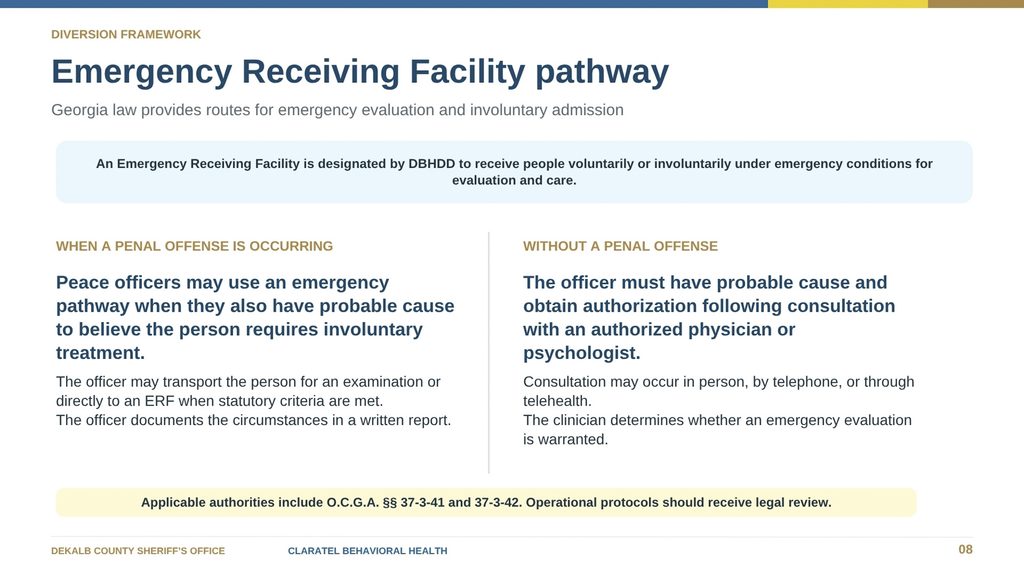
Following the vote, Commissioner Terry spoke out in opposition to the item, citing concerns about the implications for unhoused people who are struggling with substance abuse or mental instability. He highlighted the lack of proper police procedures that might prevent those vulnerable individuals from landing in jail with little to no recourse.
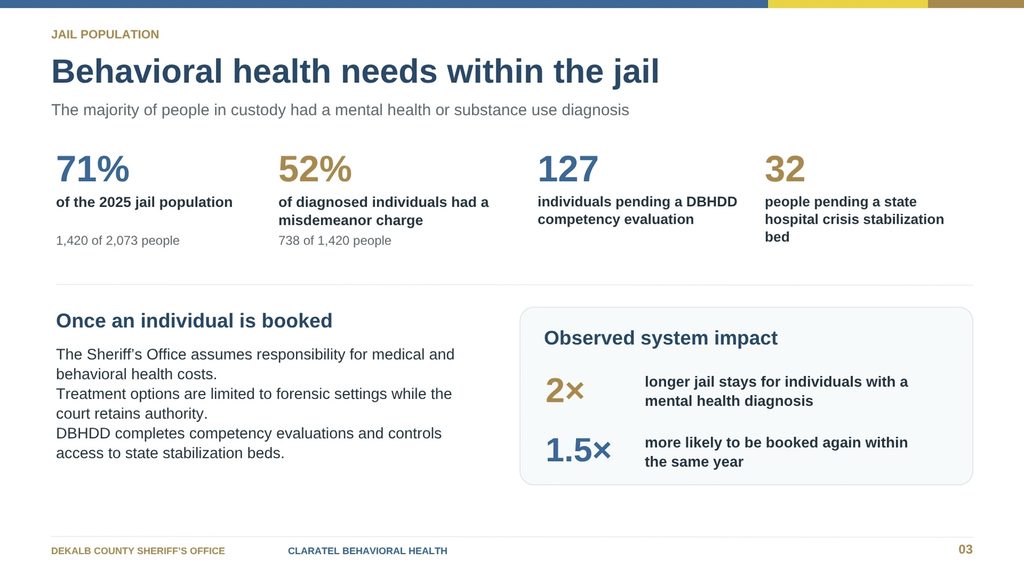
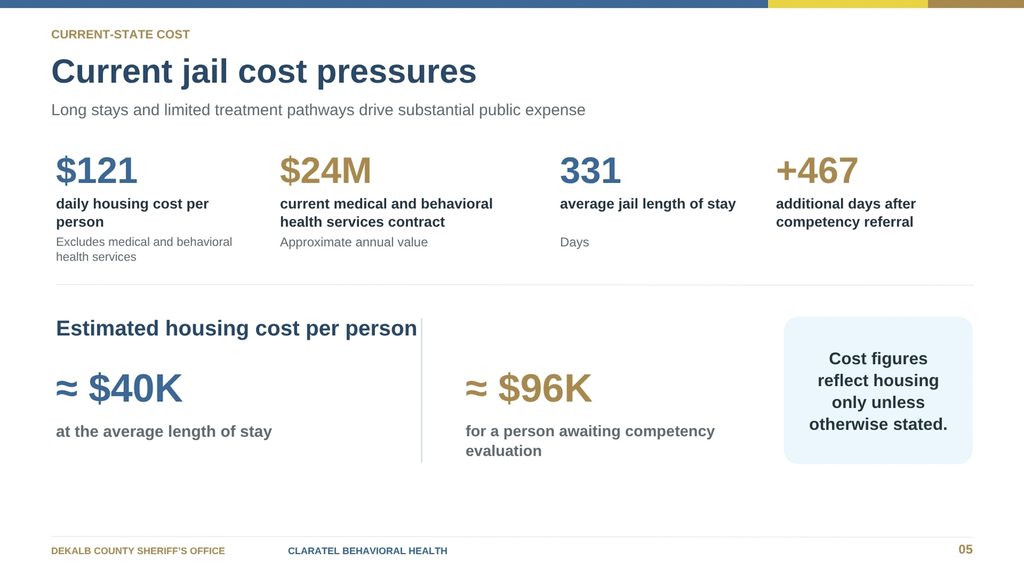
“In essence, we are already criminalizing homelessness by virtue of people who are trespassing on private property; this [ordinance] now expands it to every corner of DeKalb County,” said Commissioner Terry. He pointed out that over 700 individuals currently housed at the County jail are awaiting a mental health evaluation, jailed for an average of around 330 days, while the misdemeanor charge of trespassing carries only a one-year sentence. “So, we have people languishing in the jail, awaiting a mental health evaluation from the state, which is behind by months, if not years.”
“The individuals who we are talking about are persistently homeless; a written note or a verbal note isn’t going to make a difference. They need help, they need treatment, they need compassion, they need care. They don’t need a jail cell,” said Commissioner Terry.
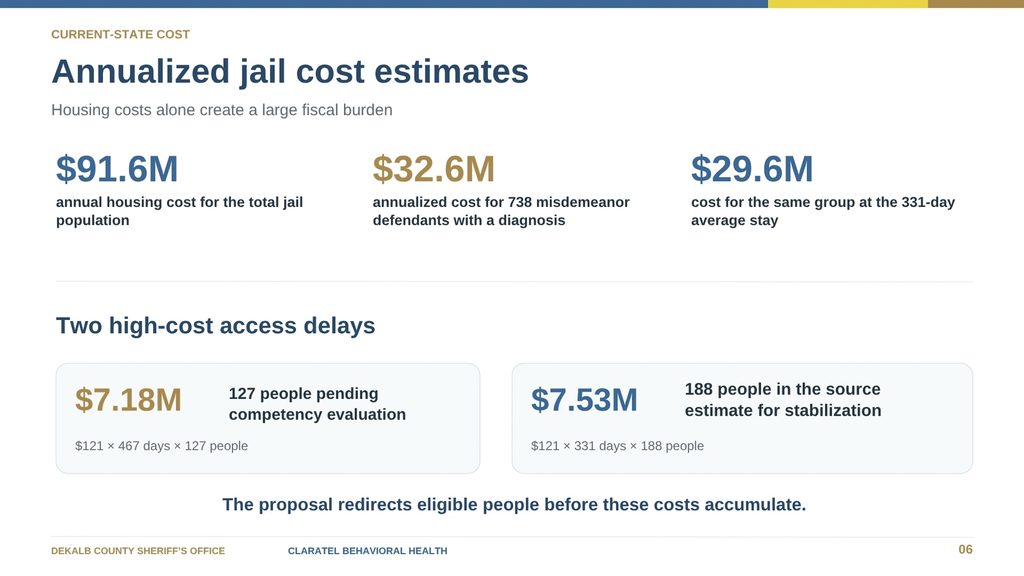
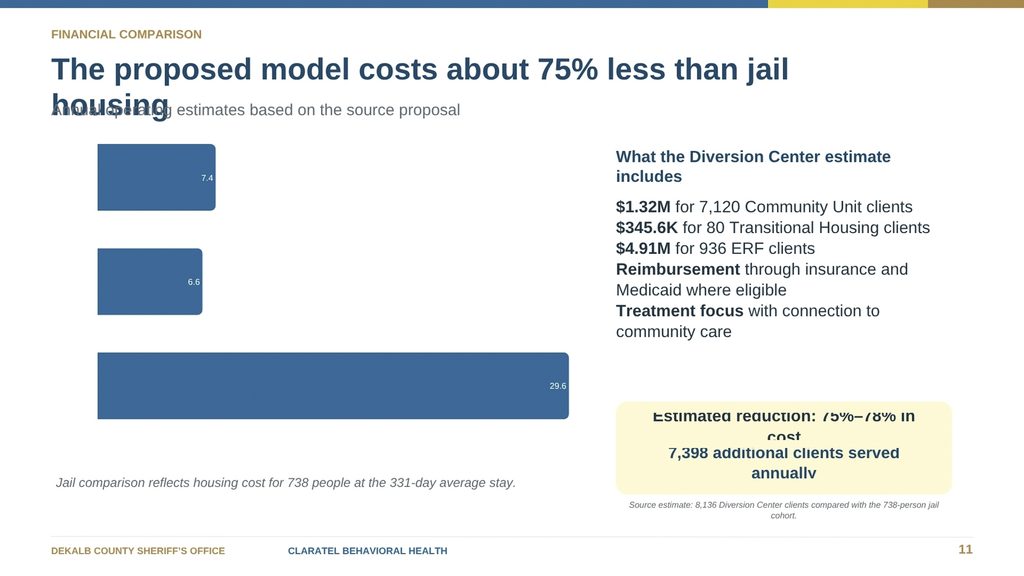
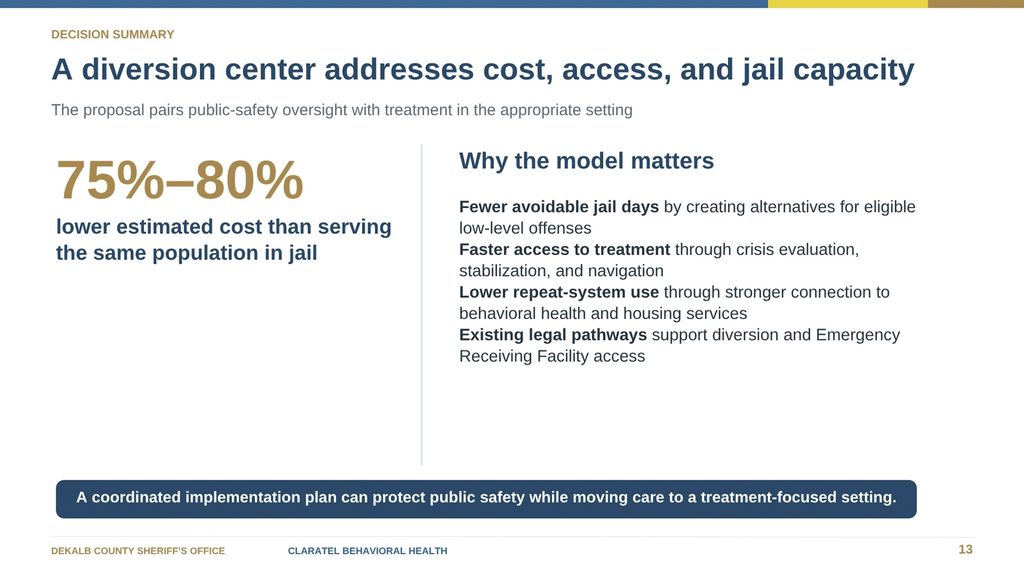
Not only is this legislation punitive in nature, it’s also expensive, and DeKalb County residents are footing the bill. In a report by Claratel Behavioral Health and DeKalb County Sherrif’s Office, it is estimated that DeKalb spends an average of $29,557,638 annually to house inmates with misdemeanors who also struggle with mental health and substance abuse. Additionally, second misdemeanors require a cash bail, and there have been many instances of jailed individuals unable to produce even a $0.01 fine, resulting in perpetual holding in the jail.
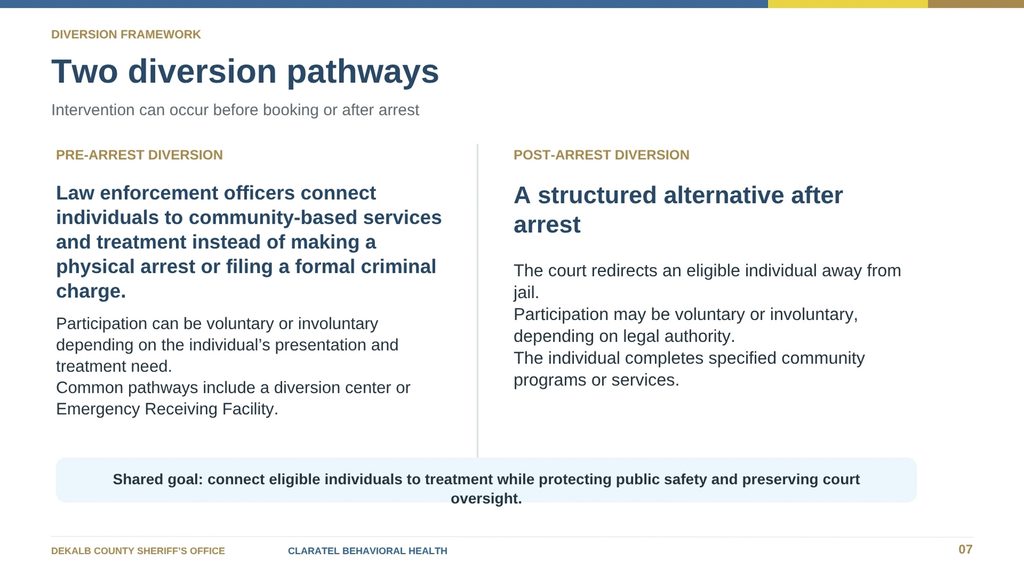
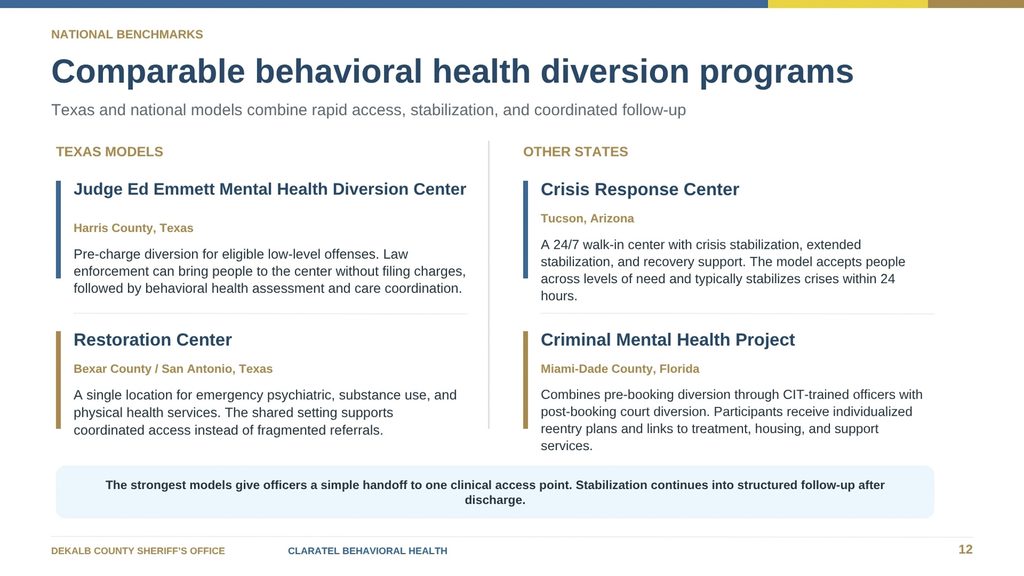
Later, during the Finance and Budget (FAB) committee meeting, Commissioner Terry suggested that diversion programs are needed, as judicial processes across the county will be additionally burdened by higher incarceration rates following the passage of the urban camping ban. Commissioner Terry followed by asking the Chief Judge of the DeKalb County State Court, Judge Mike Jacobs, to consider the budgetary implications of the urban camping ban.
“We do frequently see defendants on our jail calendars, in particular, who are repeat offenders on criminal trespass, and shoplifting,” said Judge Mike Jacobs. “I’ve seen it in public decency cases, where they are being held in custody but really need mental health treatment at the end of the day, and sometimes substance abuse treatment. We are going to start a pilot in two divisions of the state court.” He indicated that these pilot programs would commence in 2027. “It would be judicially supervised treatment as a condition that is a special condition of bond,” Jacobs continued.
“I’m disappointed,” said Commissioner Terry, pointing out that out of thousands of emails and public statements, there was never a single public voice in support of the ban. “Criminalizing homelessness, arresting those who are less fortunate, who are the most vulnerable, is not the solution.”
Read more in the Jail Diversion for Mental Health and Substance Use Misdemeanor Arrests report formulated by Kareem Martin, MBA, MPH of the Sheriff’s Office Director of Health Services and Fabio van der Merwe, MA, CHC of Claratel Behavioral Health CEO.